

VALUES & PHILOSOPHY
It is imperative for a Company to have an openly enunciated Philosophy, which sets out the Rules and Guidelines under which its Directors, Managers, Staff and Suppliers can confidently operate.
We have 6 basic yet fundamental principles:
1. Our credo is to maintain high-ethical and moral standards both internally, with our staff members, and externally with our customers and suppliers;
2. We judge people on their actual performance, not on their personality, education, personal traits or stated skills:
3. We endeavour to operate our business with a sense of Competitive Urgency;
4. All decision making is based on facts, not on preconceptions, prejudices or other subjective criteria;
5. We adjust our business practices whenever necessary to coincide with and respect beneficial environmental practices;
6. We are always mindful that its our customers who keep us in business and to stay in business we must give them an excellent, consistent, comprehensive and flexible service.
We have found that adopting a template of Ethical Standards, is in itself advantageous to our business in that:
(a) It generates a greater and more predictable drive and efficiency among our staff members and contractors, because they can confidently, decisively and on their own initiative, instinctively do the right thing without fear of recourse;
(b) It enables us to attract high-caliber employees, thereby giving us a competitive edge as against our competitors;
(c) It enables us to build and maintain better and more profitable relations with our customers because it helps to develop a reciprocal sense of reliance , trust and mutual respect;
(d) JMT Leather has a responsibility to be alert to the risk of modern slavery both in our own activities and those of our suppliers and to act upon any concerns we may have.
WE CONSTANTLY AIM TO MAKE OUR BUSINESS
A BUSINESS OF PRINCIPLE NOT A QUESTIONABLE BUSINESS
Sustainability
The leather we use is a by-product of the meat industry and if hides are not tanned, some will go for gelatine production, but the vast majority will go to landfill or be incinerated. More than 250 million hides are available each year and it makes no sense not to process this wonderful resource into leather.
Cows are killed for human consumption – not the hide. The cost of a prime steer in the USA ready for market is about USD 2,500 and the slaughterhouse will realise about USD 30.00 for the hide - a fraction of the animal cost.
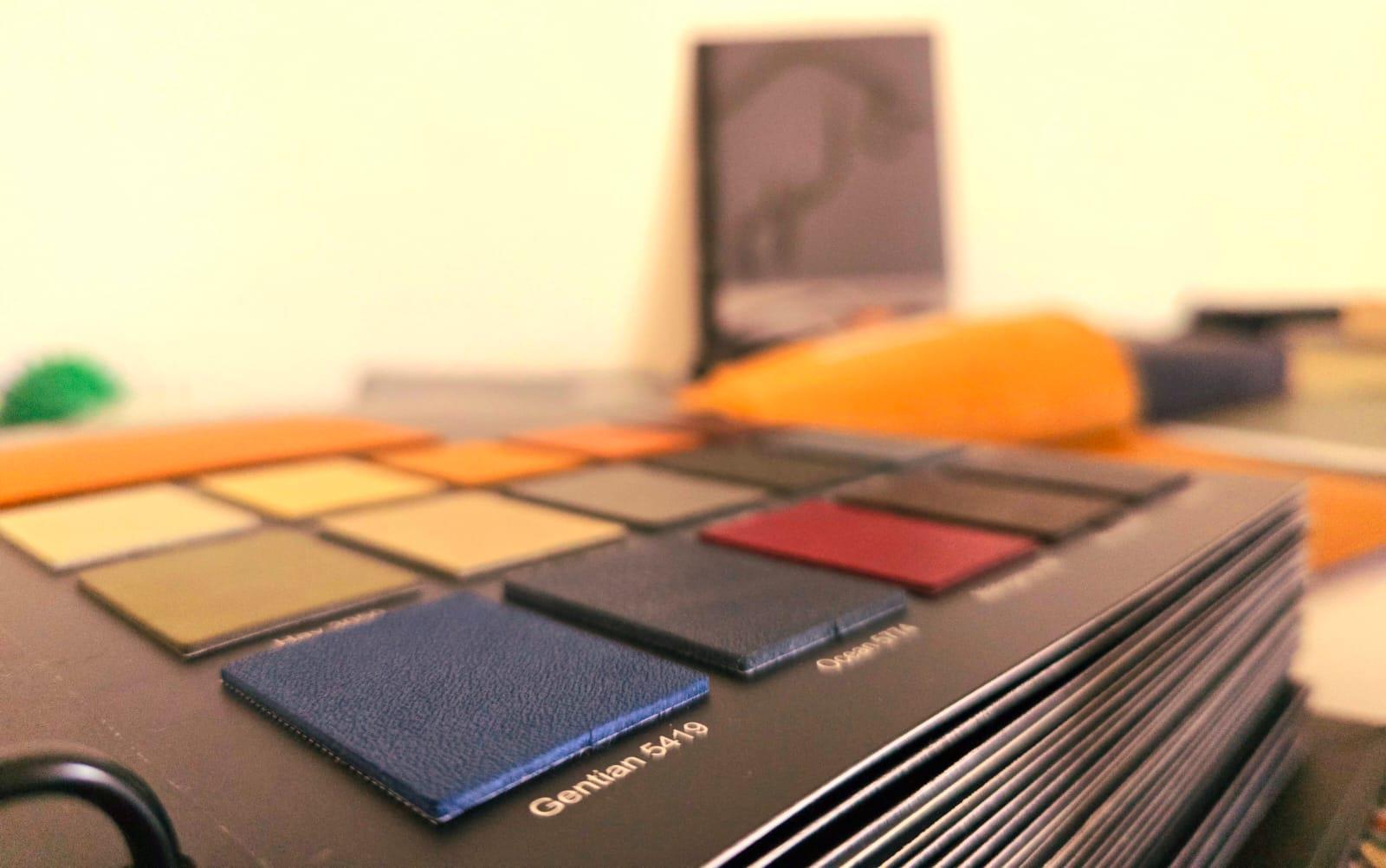
At a time when there is an increased attention on a product’s lifetime value, good quality leather outperforms in this area. For example, a full grain aniline-dyed leather using small amounts of finishing can outlast fabric upholstery material by between four and five times. In addition to generally having a longer lifetime value than fabric upholstery, leather maintenance and upkeep requires fewer resources. Normal wear and tear issues can be repaired easily by a competent local upholsterer and cleaning generally requires basic non-toxic, non-specialist materials.

Water – becoming a scarce commodity.
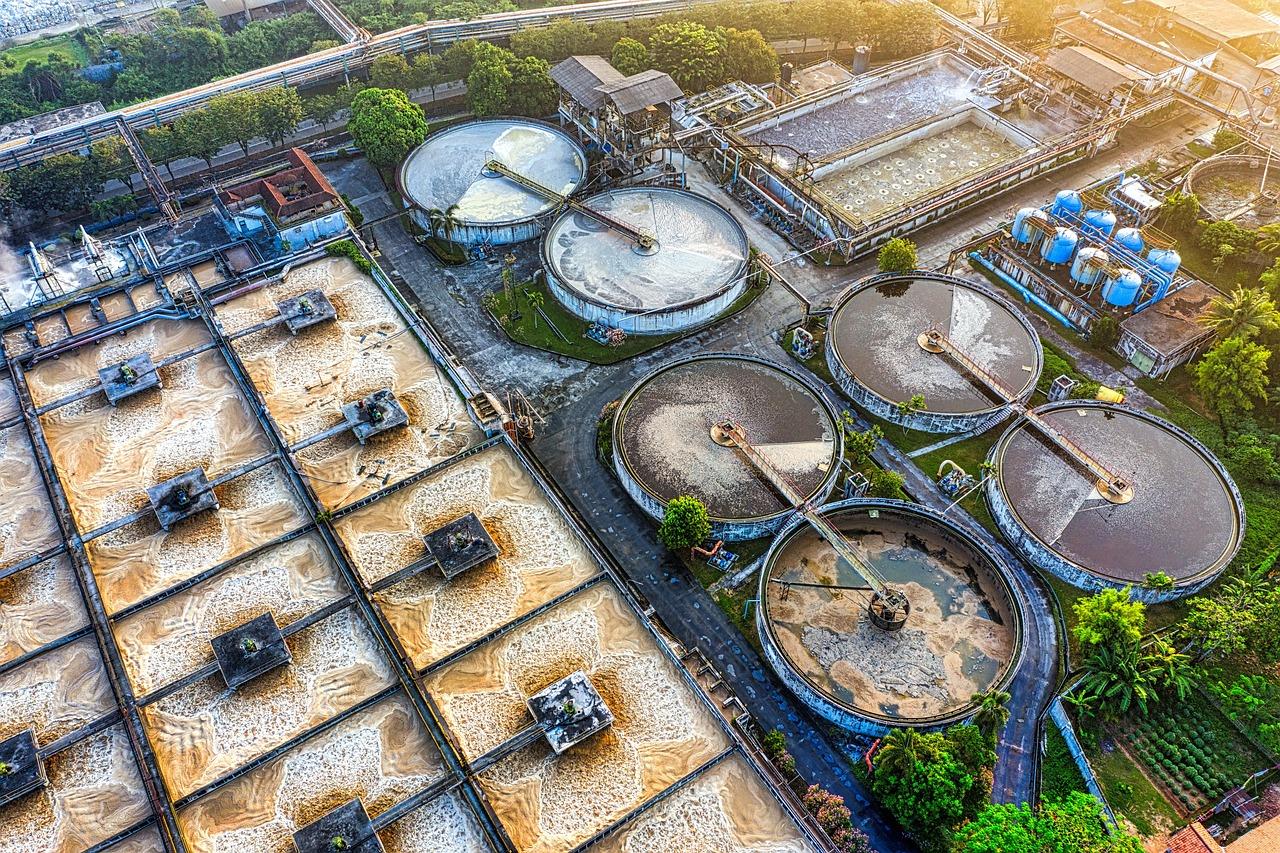
Ensuring water is used responsibly and sustainably is a key focus. All water used is monitored, treated and reused where possible. Water not reused is cleaned and discharged in compliance with European environmental standards. Tanners are optimising their processes to reduce water and increase energy efficiency. We’re committed to continuing to find innovative ways of reducing our impact when it comes to finite planet resources.
Recycle / reduce waste
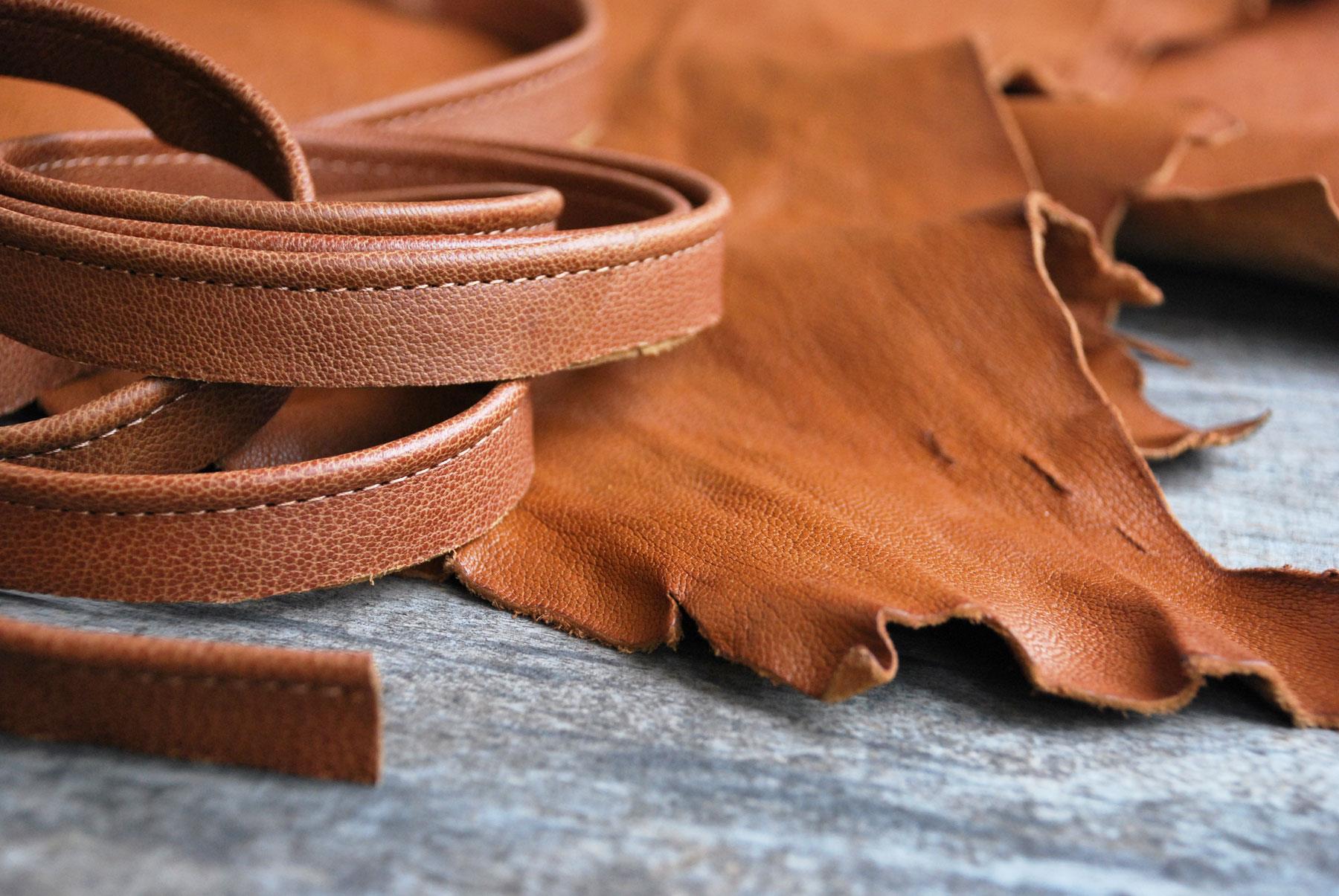
Upholstered leather has an incredibly long lifespan when looked after properly, but like any material it will eventually wear out over time. Even so, leather is 100% post-consumer recyclable, can be 100% biodegradable (depending on any finishing treatments applied) and can be easily up-cycled and repurposed in the production of other products making it a fantastically sustainable product.
Throughout the manufacturing process we work hard to ensure that, wherever possible any excess materials or by-products are reused or recycled. For example, gelatine collagen is produced from trimmings and off-cuts removed from the hides during the raw and liming stages of the process.
SUSTAINABILITY IS THE WAY TO GO, TO KEEP UP WITH THE NEEDS OF THE ENVIRONMENT